
Need a peel?
Deep Chemical Peels
at Sasco Hill
What is a Deep Chemical Peel?
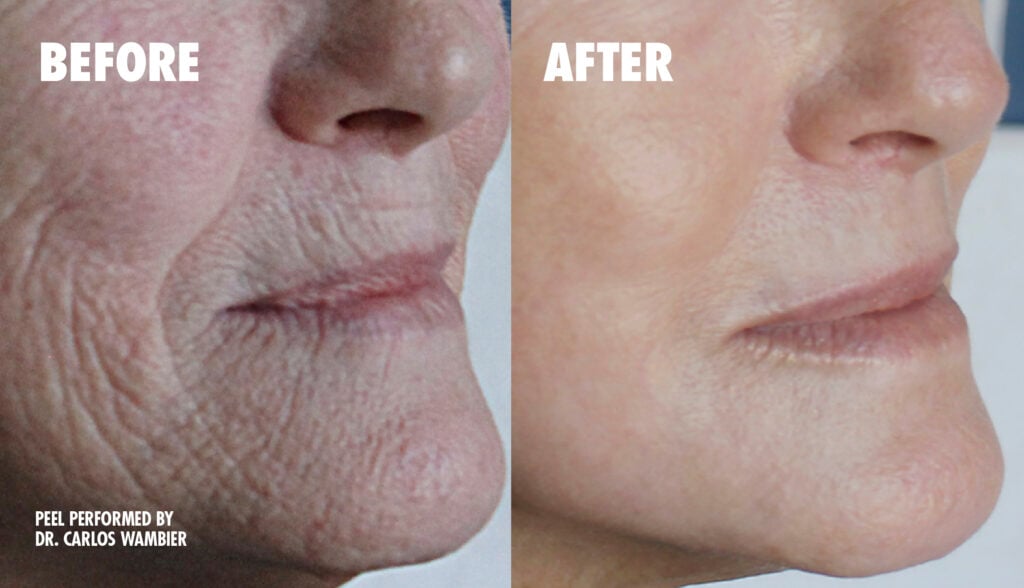
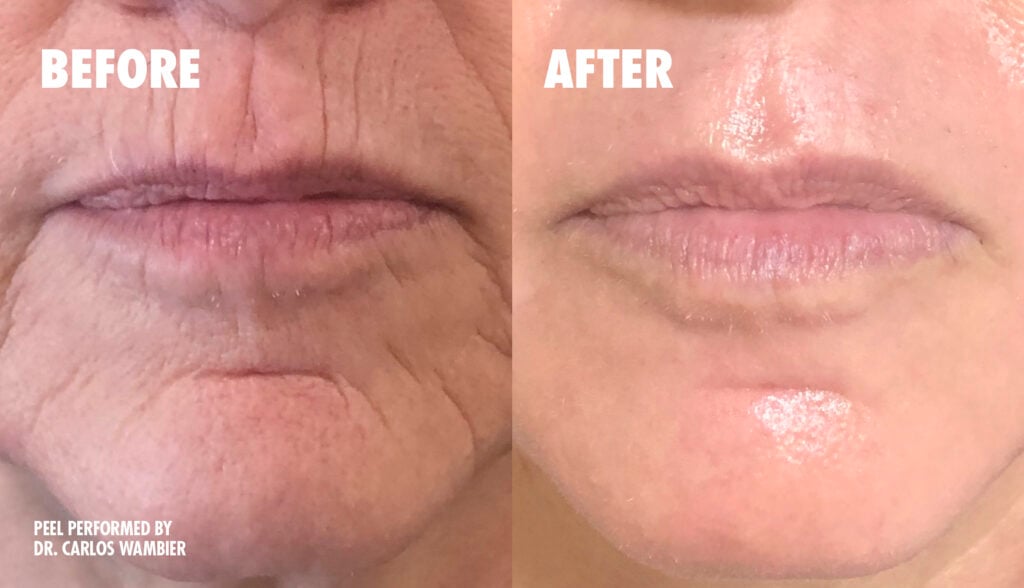
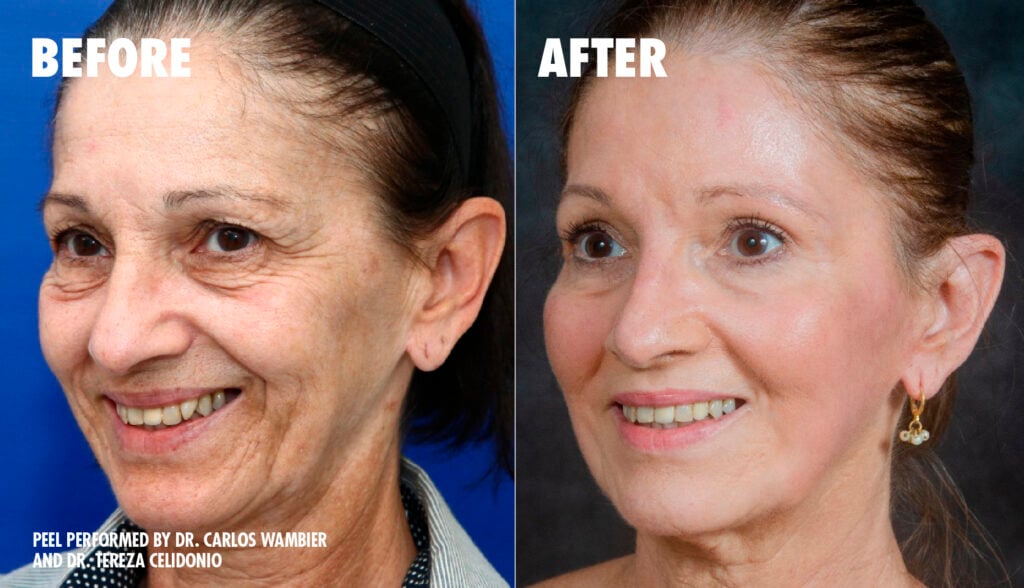
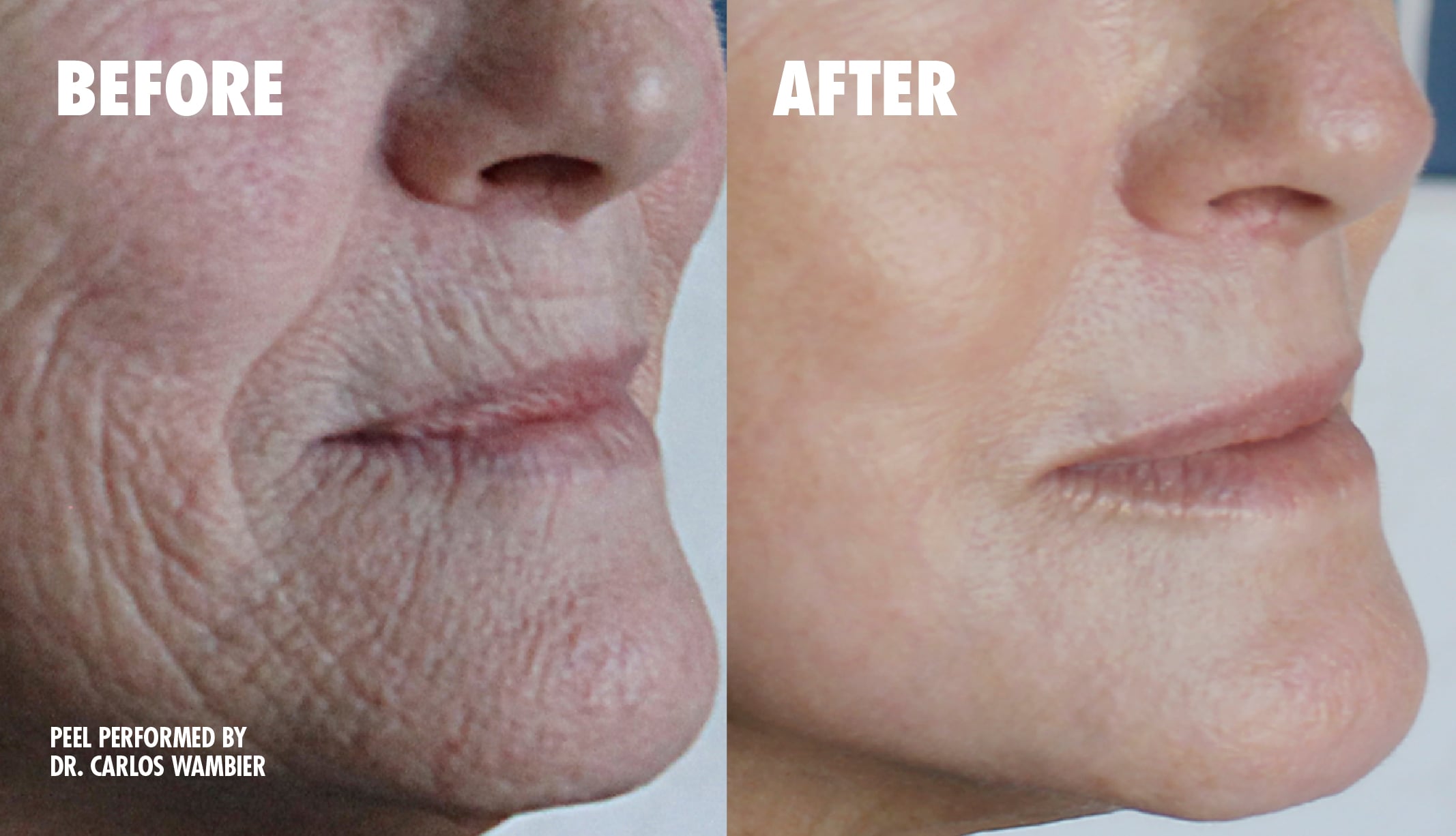
A deep chemical peel is the most intensive type of chemical peel, designed to treat significant skin concerns by removing skin cells even deeper than medium peels. It’s a powerful procedure that delivers dramatic and long-lasting results.
What it addresses:
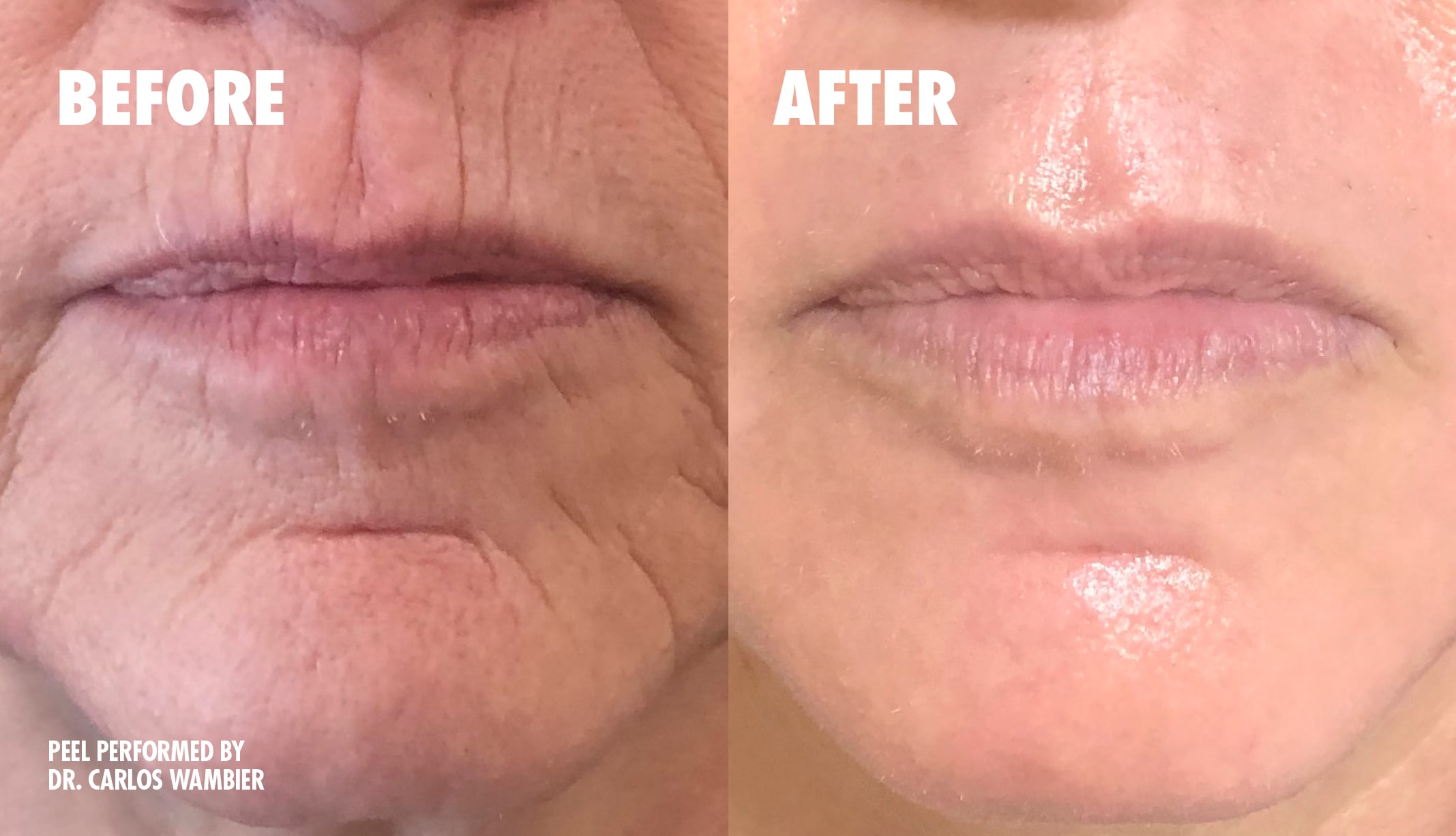
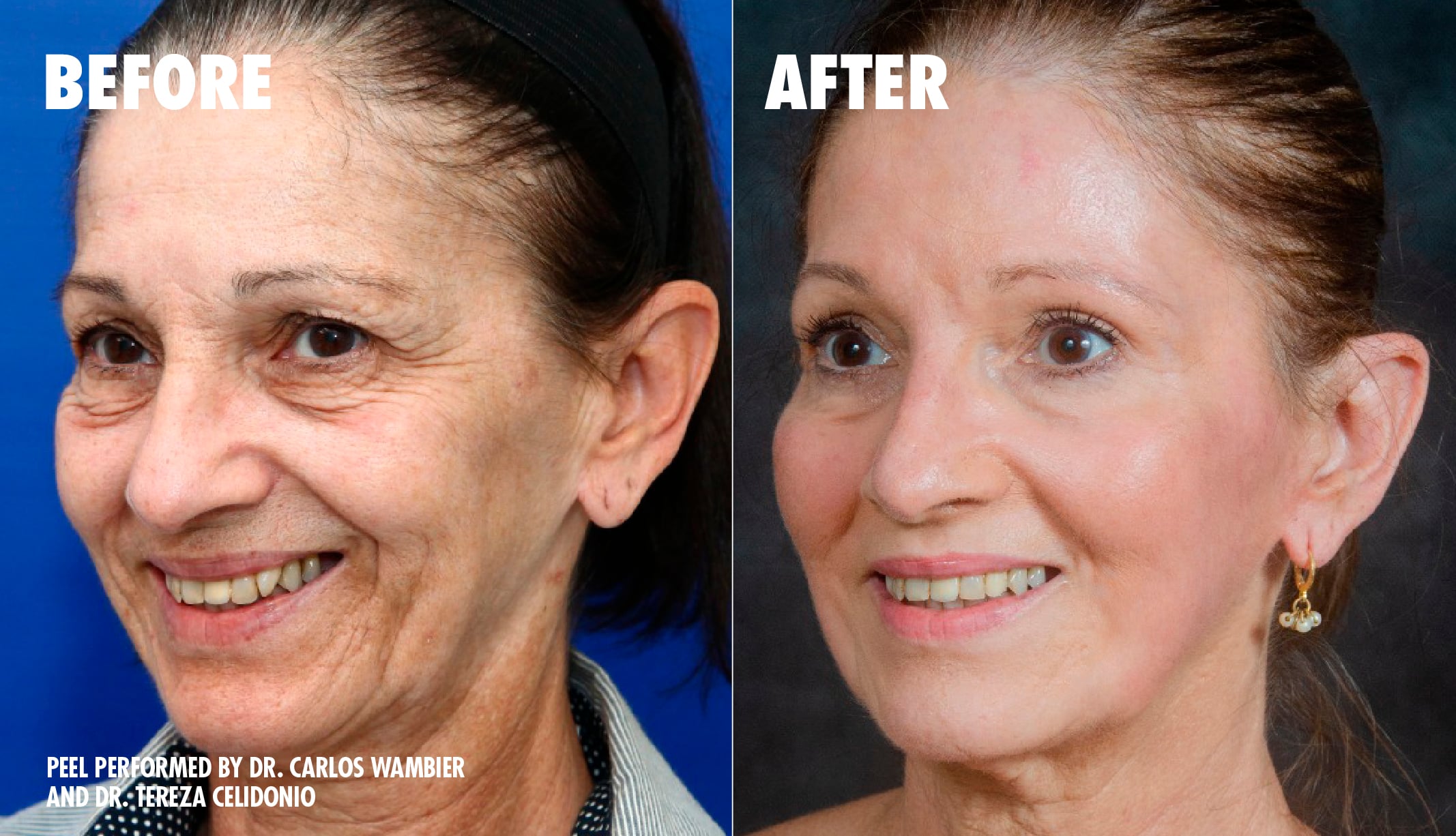
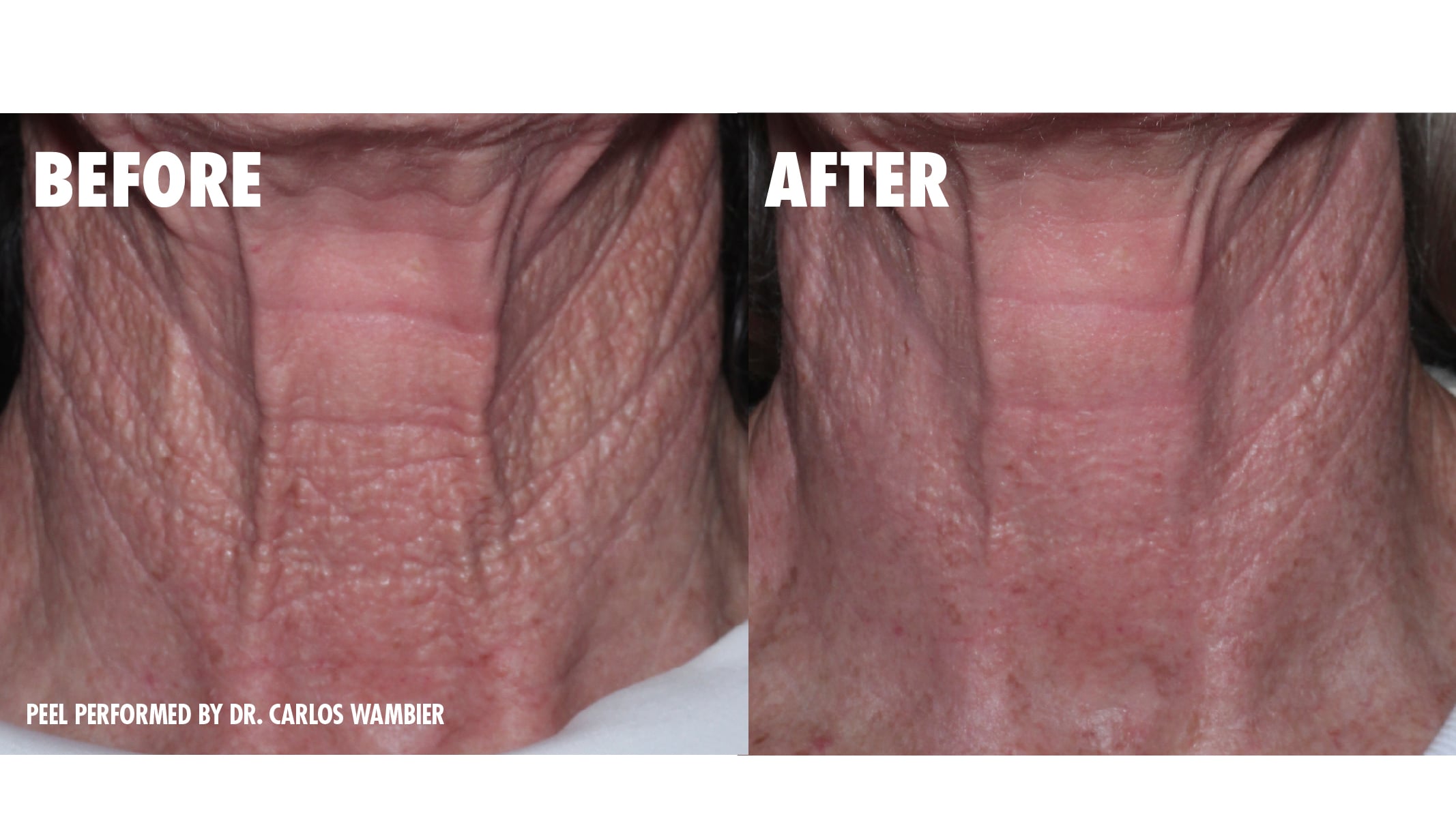
Deep wrinkles and fine lines: Effectively reduces the appearance of severe wrinkles that haven’t responded to other treatments.
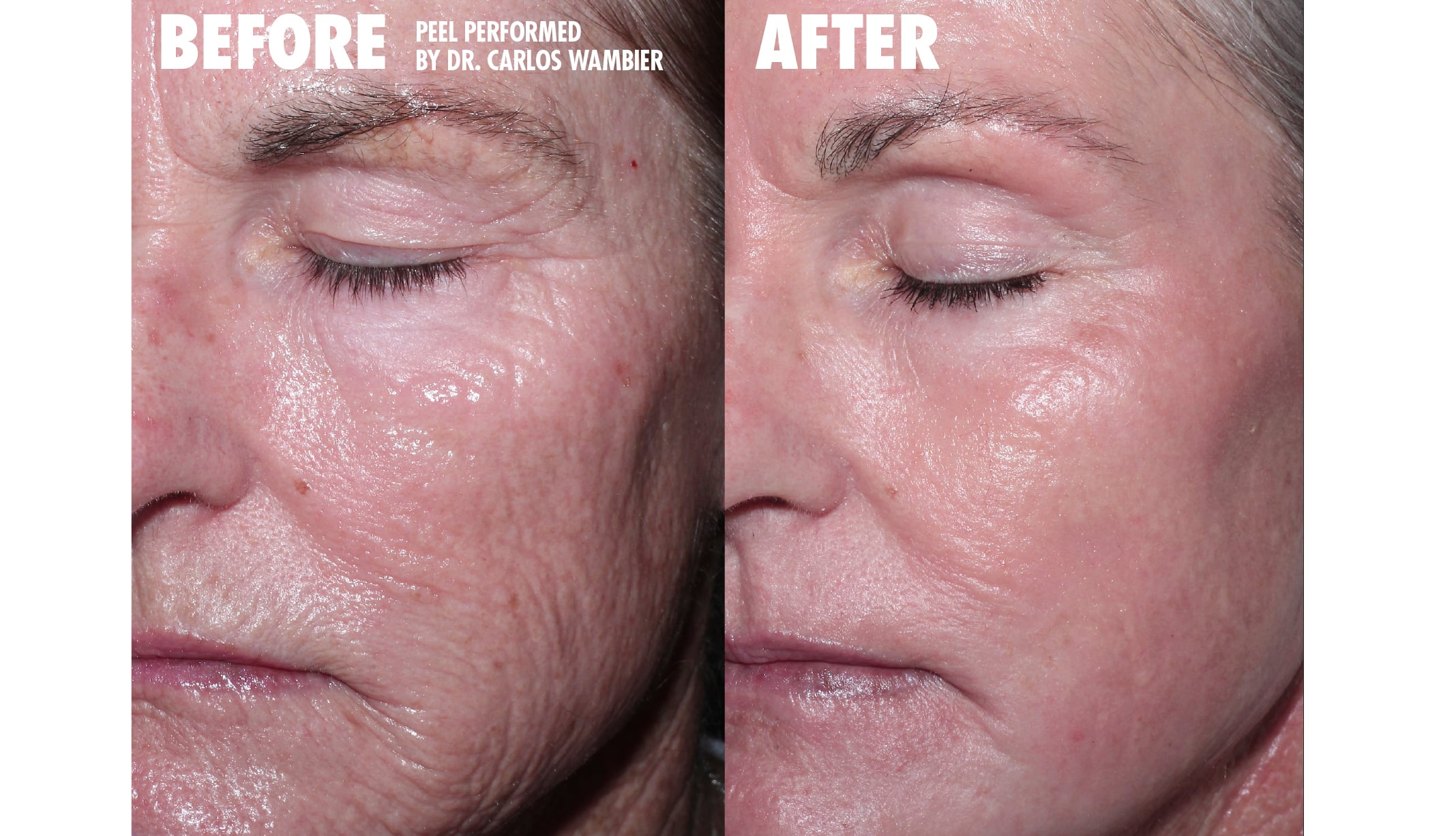
Severe sun damage and hyperpigmentation: Excellent for eliminating sunspots, freckles, and uneven skin tone caused by extensive sun exposure.
Deep acne scars and other scars: Can significantly improve the appearance of pitted acne scars and other types of skin indentations by promoting new skin growth.
Rough or uneven skin texture: Smooths the skin’s surface and refines texture.
Precancerous growths: Can remove actinic keratoses (rough skin patches caused by sun exposure that can potentially turn into skin cancer).
How it works:
Deep chemical peels use a blend of two potent ingredients, phenol and croton oil. This mixture penetrates down to the lower dermal layer of the skin, causing controlled damage. This damage stimulates the body’s natural healing process, leading to the production of new, healthier skin cells and increased collagen production.
The procedure:
Pre-treatment: Patients often undergo a pre-treatment regimen for several weeks (up to eight weeks) before the peel. This may include using a retinoic acid cream or gel to thin the skin’s surface, allowing for more even and deeper penetration of the chemical solution.
During the peel: The procedure is usually performed with a local anesthetic and a sedative to manage discomfort. The doctor carefully applies the phenol solution to the skin in portions to limit exposure, often in 15-minute intervals. A full-face peel can take around 90 minutes. The treated skin will turn white or gray.
Post-procedure: After the chemical is neutralized, a thick ointment or medicated gauze/tape is applied to protect the skin.
Recovery:
Deep chemical peels have a significant recovery period.
Initial healing: The treated skin will be red, swollen, and may crust and peel for several days to weeks. Swelling is likely to subside within about two weeks.
Full results: While new skin develops within about two weeks, redness can persist for up to three months, and full results may take several months to appear.
Aftercare: Patients will need to soak the treated skin and apply ointment multiple times a day for about two weeks. Strict sun protection is crucial as the new skin will be highly sensitive and may lose its ability to tan normally.
Risks and side effects:
Due to its intensity, a deep chemical peel carries more risks than lighter peels. These can include:
Persistent redness and swelling: Can last for months.
Pigmentary changes: Hypopigmentation (lightening of the skin) is common, and the treated skin may lose its ability to tan. Hyperpigmentation (darkening of the skin) can also occur, especially in individuals with darker skin tones.
Infection: Bacterial, fungal, or viral infections are possible.
Scarring: Though uncommon, scarring (including keloids) can occur, especially if proper aftercare isn’t followed.
Cardiac issues: Phenol can be absorbed into the bloodstream and may pose a risk to people with heart conditions, potentially causing irregular heartbeats. Close monitoring of heart rate is essential during the procedure.
Other side effects: Pain, burning, itching, blistering, delayed healing, and allergic reactions are also possible.
Because of the potential risks and the dramatic results, deep chemical peels should only be performed by an experienced and qualified physician.
Results
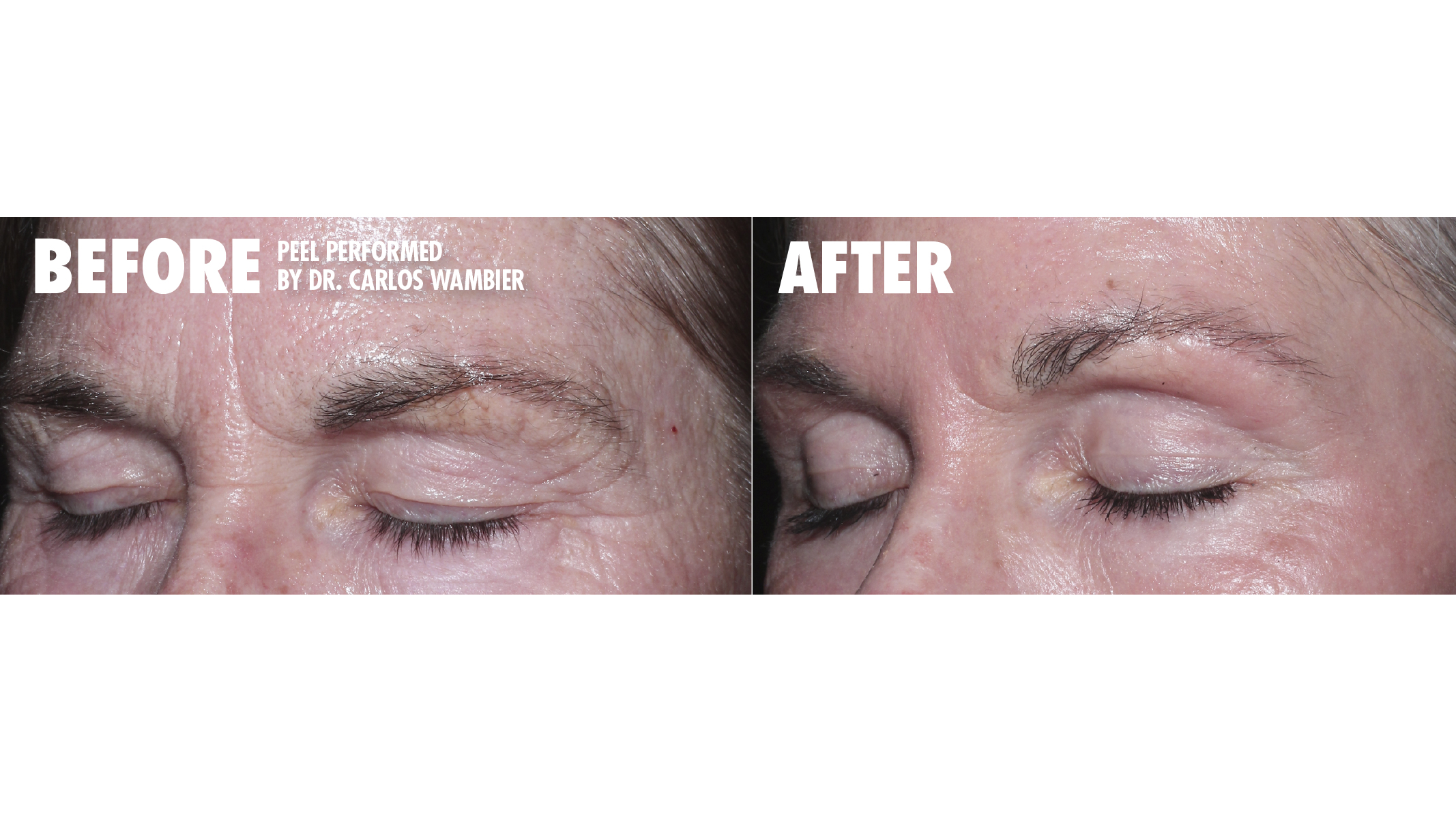
Who is a good candidate for a Deep Chemical Peel?
A deep chemical peel is a powerful procedure with dramatic results, and therefore, the ideal candidate is carefully selected. Here’s a breakdown of who is generally a good candidate:
Ideal Candidates Typically Have:
Significant Skin Concerns: Deep wrinkles and fine lines, severe sun damage, extensive hyperpigmentation (like sunspots or deep melasma), significant acne scars or other deep scars, and rough or uneven skin texture that hasn’t responded to milder treatments.
Lighter Skin Tones (Fitzpatrick Types I, II, and sometimes III): This is a crucial factor. People with fair complexion and lighter hair generally respond best to deep peels. Deep peels, especially phenol, carry a higher risk of permanent hypopigmentation (skin lightening) in individuals with darker skin tones (Fitzpatrick Types IV-VI). The treated skin may also lose its ability to tan normally.
Realistic Expectations: They understand the significant downtime involved (weeks of healing) and the potential risks and side effects. They are looking for a dramatic and long-lasting change, not a quick fix.
Good Overall Health: No underlying medical conditions that could interfere with healing or increase risks.
No History of Abnormal Scarring: Specifically, no history of keloids or hypertrophic scars.
Commitment to Aftercare and Sun Protection: Strict adherence to post-treatment care instructions, including diligent sun protection, is absolutely essential for optimal results and to prevent complications.
Willingness to Avoid Sun Exposure: Deep peels are often recommended for the fall or winter months to minimize sun exposure during the crucial healing period.
Precancerous Growths: Deep peels can effectively treat actinic keratoses (precancerous lesions caused by sun damage).
Factors That May Disqualify or Require Caution:
Darker Skin Tones (Fitzpatrick Types IV-VI): As mentioned, a significantly increased risk of permanent pigmentation changes (hypopigmentation being most common with phenol).
Active Skin Infections or Open Wounds: The skin must be healthy and intact before the peel.
Recent Use of Oral Isotretinoin (Accutane): Within the past 6-12 months, as this medication can affect skin healing.
History of Cold Sores (Herpes Simplex Virus): The peel can trigger an outbreak, so antiviral medication is usually prescribed beforehand.
Pregnancy or Breastfeeding: Chemical peels are generally not recommended during these times.
Certain Medical Conditions:
Heart Disease: Phenol can affect heart rhythm, requiring close monitoring during the procedure.
Kidney or Liver Issues: Phenol can be metabolized by these organs, so caution is needed.
Uncontrolled Diabetes or Autoimmune Disorders: Can impair healing.
Psoriasis, Eczema, Atopic Dermatitis: These inflammatory skin conditions can make the skin more sensitive and prone to complications.
Connective Tissue Diseases.
Recent Cosmetic Surgery, Laser Resurfacing, or Other Deep Skin Treatments: The skin needs time to heal fully before another intensive procedure.
Tendency for Pigmentation Changes in Scars: If your scars tend to hyperpigment or hypopigment.
Unrealistic Expectations: If a patient expects perfect, flawless skin or is unwilling to commit to the recovery period.
Ultimately, the decision of whether a deep chemical peel is right for you should only be made after a thorough consultation with an experienced board-certified dermatologist or plastic surgeon, who will assess your skin, review your medical history, discuss your goals, and determine the safest and most effective treatment plan for your individual needs.
About Sasco Hill Surgery Center
Sasco Hill Surgery Center is a nationally accredited ambulatory surgery center in Southport, CT. With state-of-the-art surgical equipment and a team of board-certified surgeons, anesthesiologists, and nurses, the center is designed to achieve the best possible outcomes in an outpatient environment. We specialize in Gynecology, Ophthalmology, Orthopedics, Plastic Surgery, Pain Management, Urology, ENT (Ear, Nose & Throat), and General Surgery. The upscale facility demonstrates the quality and excellence of our services.
All deep chemical peels at the Sasco Hill Surgery Center are performed by a board-certified dermatologist or plastic surgeon with extensive experience in the field of chemical peels.
We are conveniently located on Post Road (Route One), minutes from I-95, in the same shopping center as Posh Nail & Spa, Yale New Haven Health, and the Blackstones Grille.